Communication That Connects: How to Be Heard, Understood, and Remembered
Aug 30, 2026Communication is something we do every day.
We speak, text, email, teach, lead, listen, explain, encourage, and respond. Yet even with all that practice, communication can still be one of the biggest sources of misunderstanding in our relationships, workplaces, and communities.
Why?
Because communication is not just about what we say.
It is about how our message is received.
Good Communication Is More Than Talking
It is easy to think that being a good communicator means being able to speak clearly or explain an idea well.
Those things matter, but strong communication goes further.
Effective communication requires us to consider the person on the other side of the conversation.
What do they need to hear?
How do they process information?
Do they need more detail or less?
Do they want time to think, or are they ready to make a quick decision?
Do they respond better to facts, stories, encouragement, questions, or direct instruction?
Communication becomes stronger when we stop focusing only on delivering the message and start thinking about creating understanding.
Start With Listening
One of the most overlooked communication skills is listening.
Real listening is more than waiting for your turn to speak.
It means paying attention to what someone is saying, how they are saying it, and sometimes what they are not saying.
When we listen well, we begin to notice important clues.
Someone may be asking detailed questions because they want to feel confident before moving forward.
Another person may be speaking quickly because they are excited about an idea.
Someone else may be quiet because they need time to process their thoughts.
Listening helps us understand what the other person needs from the conversation.
And when people feel understood, they are often more willing to listen in return.
Be Clear About Your Message
Before beginning an important conversation, ask yourself one simple question:
What do I want the other person to understand?
It sounds obvious, but many conversations become confusing because we try to communicate too many things at once.
A clear message usually has a clear purpose.
Perhaps you want someone to:
- Understand a new idea
- Make a decision
- Complete a task
- Share feedback
- Feel supported
- Change a behavior
- Consider another perspective
Knowing the purpose helps you communicate more intentionally.
Instead of filling the conversation with unnecessary information, you can focus on what matters most.
Pay Attention to How You Say It
Words are only one part of communication.
Tone, timing, body language, facial expressions, and even silence can influence how a message is interpreted.
Think about the difference between saying:
“That’s fine.”
with genuine warmth and saying the same words with frustration.
The words have not changed.
The message has.
This is why self-awareness is so important.
We may know what we intended to communicate, but the other person experiences what we actually communicated.
Strong communicators learn to pay attention to both.
Adapt Without Losing Yourself
One of the most valuable communication skills is adaptability.
Adapting your communication does not mean pretending to be someone you are not.
It means recognizing that different people may need information delivered in different ways.
For example, one person may appreciate a short conversation that quickly identifies the problem and the solution.
Another person may want to talk through the possibilities before deciding.
Someone else may need reassurance about how a change will affect the people involved.
Another may want to see the information, facts, or process before feeling comfortable moving forward.
The message may be the same.
The delivery can change.
That is not inauthentic communication.
It is thoughtful communication.
Ask More Questions
When communication breaks down, we often make assumptions.
We assume someone understands.
We assume they agree.
We assume they are uninterested.
We assume they are being difficult.
Questions give us a better option.
Try asking:
“What are your thoughts?”
“What would help make this clearer?”
“Do you want the quick version or the details?”
“What concerns do you have?”
“What would you need before making a decision?”
Good questions turn communication from a presentation into a conversation.
They create space for understanding.
Recognize That Different Is Not Wrong
Some of our biggest communication frustrations come from expecting other people to communicate the way we do.
If we are direct, we may become impatient with someone who wants more conversation.
If we love details, we may feel uncomfortable with someone who wants the summary.
If we prefer harmony, we may struggle with people who communicate very directly.
If we enjoy talking through ideas, we may misinterpret a quieter person as disengaged.
But different communication styles are not necessarily problems.
They are differences.
Once we recognize that, we can become more curious and less reactive.
Instead of asking:
“Why are they communicating like that?”
we can ask:
“What might help us understand each other better?”
That small shift can change the entire conversation.
Communication Creates Connection
Great communication is not about winning every conversation.
It is not about always being the most persuasive person in the room.
It is about creating enough understanding that people can move forward together.
That matters everywhere.
It matters between coworkers.
It matters between leaders and teams.
It matters in classrooms.
It matters in friendships.
It matters in families.
And it matters whenever people with different experiences, personalities, and perspectives need to work together.
The better we become at listening, adapting, asking questions, and understanding others, the stronger our connections become.
A Simple Communication Challenge
For the next few days, pay closer attention to how the people around you communicate.
Notice:
Who wants the main point quickly?
Who enjoys talking ideas through?
Who needs time before responding?
Who asks for more information?
Who focuses on people and relationships?
Who focuses on tasks and outcomes?
Do not try to label them.
Just observe.
Then make one small adjustment in the way you communicate with them.
You might shorten your explanation.
You might provide more detail.
You might slow the conversation down.
You might ask more questions.
You might give someone more time to think.
Small adjustments can create surprisingly big improvements in communication.
Want to Understand Communication Styles More Deeply?
Once you begin noticing these differences, you may want a framework that helps you understand them more clearly.
That is where DISC can be useful.
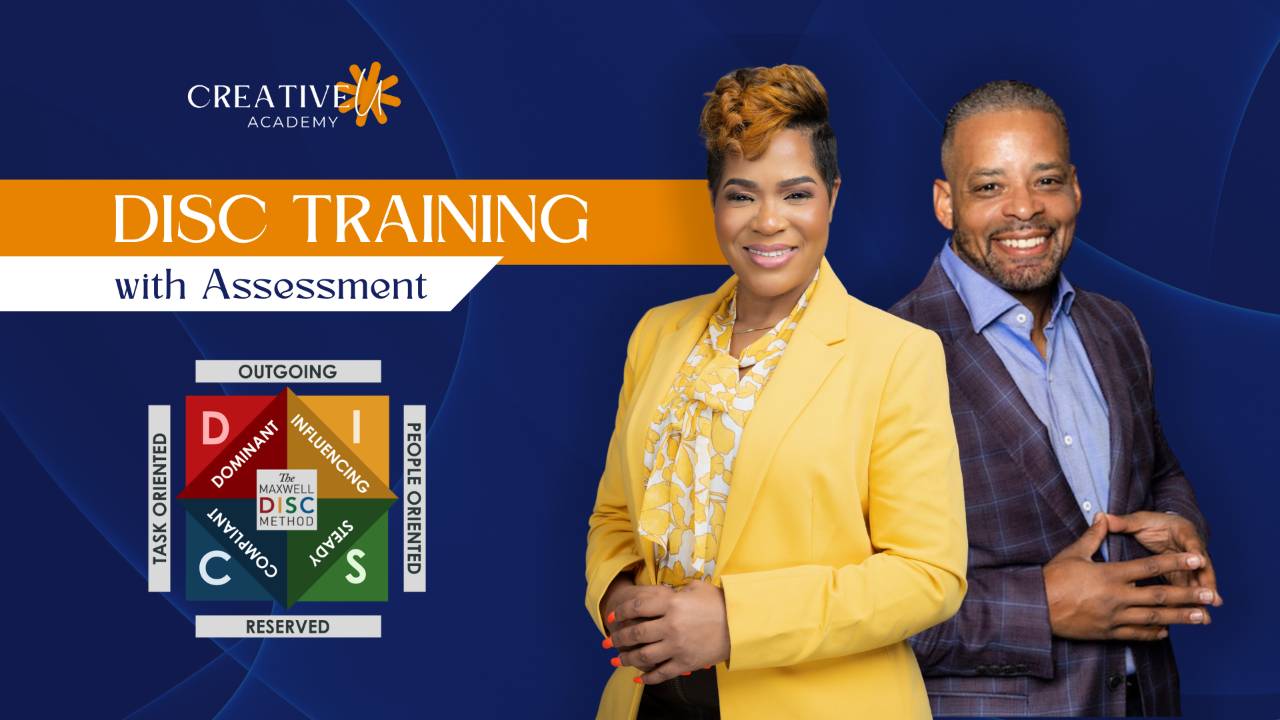
DISC is a behavioral framework that explores four primary communication and behavioral tendencies.
DISC is not about putting people into boxes.
It gives us a practical language for understanding why people may communicate differently and how we can adapt our approach to create better conversations.
The goal is not simply to discover your style.
The goal is to use that awareness to communicate with greater intention, flexibility, and connection.
At CreativeUAcademy, we believe communication becomes more powerful when we understand both ourselves and the people around us.
Because when people feel heard, understood, and respected, communication becomes more than exchanging information.
It becomes connection.